15 Articles in this category
You’ve followed all the rules—providing the perfect blend of water, warmth, and soil. Yet, your seeds remain stubbornly dormant, locked in a silent protest. The truth is, many seeds don't *want* to sprout; they're biologically programmed with ancient survival codes to resist until conditions are perfect. This guide isn't about asking them nicely—it's about learning their language, cracking their code, and overriding those defense mechanisms to unlock germination. We'll move beyond the basic advice and delve into the science of dormancy, treating it not as a problem, but as a puzzle. By understanding the three primary types of dormancy—physical, chemical, and physiological—you can stop guessing and start strategically manipulating your seeds to spring to life on your schedule, not theirs.
You just finished a crisp Honeycrisp apple and now you're staring at the seeds, dreaming of your own Honeycrisp tree. I have some surprising news for you: that's not going to happen. But what will happen is something far more exciting—you're about to enter a decade-long genetic lottery to grow a variety of apple that has never existed. Every apple seed is a genetic roll of the dice, a unique combination of its mother tree and an unknown pollen-donating father from a nearby crabapple or different orchard variety. Planting that seed isn't an act of replication; it's an act of creation. You are stepping into the role of a breeder, a patient collaborator with nature, on a quest to discover a flavor profile the world has never known. This is not gardening; this is a long-form botanical experiment.
Most guides treat repotting an orchid like a simple chore. They're wrong. Think of it as a life-saving transplant operation where you are the lead surgeon, because the days following the procedure are just as critical as the repotting itself. This is not about aesthetics; it's a necessary medical intervention to correct a failing environment—decomposed medium, root suffocation, or disease. We will move beyond the basics of swapping pots and delve into the clinical precision required for pre-operative diagnosis, sterile debridement of necrotic root tissue, and the critical post-operative care that determines whether your patient thrives or succumbs to shock.
You've sprayed, you've pulled, and you've probably cursed its name, yet every summer the crabgrass returns. The truth is, you've been fighting a symptom, not the disease. Your crabgrass isn't just a weed; it's a message from your lawn, and learning to decode it is the only way to win the war for good. For decades, I've watched folks fight their lawns, dumping chemicals on problems that can't be solved with a bottle. Crabgrass is nature's opportunist, and its presence is a clear signal that your turf is struggling. This article isn't about killing crabgrass; it's about making your lawn so healthy that crabgrass can't even get started. We're going to stop treating the fever and start curing the infection by listening to what the ground beneath your feet is trying to tell you.
Most guides treat rose pruning like a brutal haircut, governed by strict angles and measurements. But what if it was more like a conversation? Your roses are constantly telling you exactly what they need through the language of their canes, buds, and thorns; this guide will teach you how to finally listen. Instead of memorizing rules about cutting back by one-third or seeking perfect 45-degree angles, you will learn to read the plant itself. This is a shift from horticultural doctrine to a genuine dialogue, where the rose directs your secateurs, not the other way around. By understanding the subtle cues of color, texture, and direction, you can make precise, intuitive cuts that work in harmony with your plant's natural vitality, resulting in a healthier, more vibrant rose that is a true expression of its own potential.
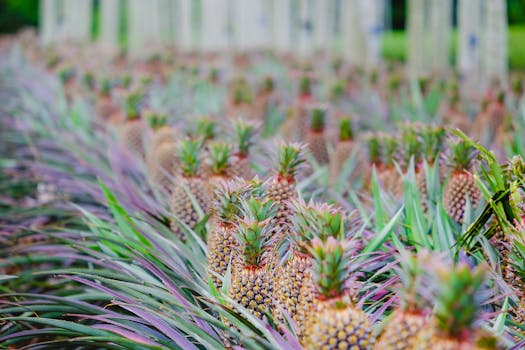
You've seen the videos: twist the top, place it in water, and in 2-3 years, you'll have a homegrown pineapple. But what if the real reward isn't the fruit you might wait years for, but the stunning, spiky, tropical plant you can enjoy in just a few weeks? Let's forget the fruit for a moment and focus on growing your new favorite statement houseplant—for free.
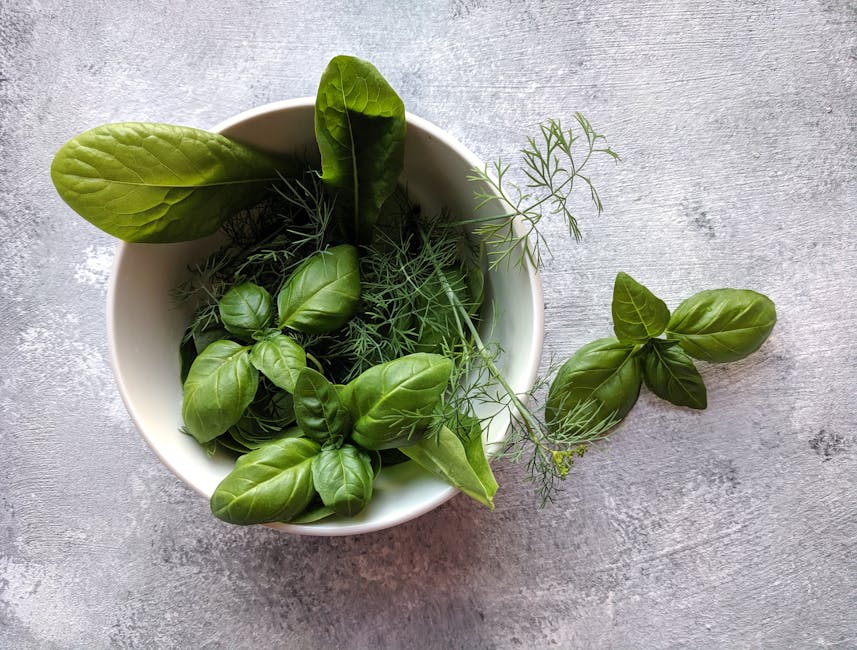
You walk out to your beautiful basil plant, needing a few leaves for your pasta. You carefully pluck them one by one, thinking you're preserving the plant for later. But what if this gentle approach is actually sentencing your basil to a short, spindly life? The secret to a lush, endlessly producing basil plant lies in a counterintuitive trick: cutting it back, and cutting it back hard. This isn't just harvesting; it's an asset management strategy. By understanding the basil paradox, you shift from a mindset of scarcity (taking only what you need) to one of strategic investment (pruning for exponential returns). We will reframe the act of harvesting into a calculated move that forces your basil to become a dense, highly productive powerhouse for the entire season.
So you did it. You nurtured a spiky green top for two long years, and it finally gave you a single, small pineapple. The problem? The mother plant is now dying, and most guides don't tell you about the 'glitch' that comes next—the secret to turning that one-time success into an endless, self-sustaining supply of tropical fruit. Forget the one-and-done cycle of planting another store-bought crown. The real currency of a self-sufficient pineapple patch lies in its offspring: the pups, slips, and suckers that the mother plant produces as its final act. This isn't about growing a pineapple; it's about building a pineapple production line. We're going to exploit this biological glitch to create a perpetual, staggered harvest that makes the grocery store's produce section irrelevant.
You just finished the perfect peach, and now you’re staring at the pit, thinking, 'Could I grow this?' The simple answer is yes, but the real question isn’t *how* to grow it, but *what* you'll be growing. You're not just planting a seed; you're entering a decade-long genetic lottery that could reward you with a magnificent new fruit or a tree full of sour disappointment. Forget the simple tutorials. This is a deep dive into the fascinating genetic gamble you're about to take, turning a piece of kitchen scrap into a long-term horticultural experiment. We're going to explore the 'why' behind the unpredictable results and arm you with the mindset of a true plant scientist.
That small knob of ginger in your grocery cart is a recurring expense you can eliminate forever. What if that one root wasn't just an ingredient, but the seed for a self-replicating 'ginger engine' in your own home? This guide is about mastering the simple technique to ensure you never have to buy it again. We are not just planting a vegetable; we are cultivating a living asset. This article will walk you through the three phases of establishing your engine: the initial ignition, the art of the perpetual harvest, and the strategy for compounding your investment for a truly endless supply. Forget one-and-done gardening. This is about building a regenerative system on your windowsill.
You see the fresh mounds of dirt and declare war, setting traps and trying every folk remedy you can find. But what if you’re fighting the wrong battle? Moles aren't invading your garden by chance; they're showing up for the all-you-can-eat buffet of grubs and earthworms thriving just beneath your lawn, a sign that your soil's ecosystem is out of balance. Instead of battling the moles, we are going to bankrupt their food source. This article will guide you to shift your perspective from exterminator to ecosystem architect, transforming your soil into a resilient, mole-repellent foundation that makes your garden healthier from the ground up.
Most gardeners see a canna rhizome and think 'big, bright flower.' We see a living wall, a dramatic backdrop, a temporary privacy screen. Forget just plopping them in a sunny spot; this guide teaches you how to plant cannas with an architect's eye, using them to build a structured, resort-style paradise in your own backyard. We're moving the conversation from horticulture to 'horti-tecture.' This isn't about filling a gap with color; it's about defining space, creating intrigue, and constructing a dynamic, vertical layer that transforms a flat yard into a three-dimensional experience. Prepare to view these botanical powerhouses not as mere perennials, but as the building blocks of your next great garden project.
You've just finished the most incredible, honey-sweet mango you've ever tasted, and you're holding the seed. Most people would toss it, but you're wondering: could I grow this? The answer is yes, but the real secret isn't just *how* to plant it—it's how to choose the right seed in the first place to essentially 'clone' that perfect mango flavor in your own backyard. This isn't just about growing *a* mango tree; it's about resurrecting a specific culinary experience. We're moving beyond simple horticulture and into the realm of flavor preservation, using a quirk of mango genetics to our delicious advantage.
Forget sprawling orchards and complicated setups. Growing your own juicy pineapple can be surprisingly simple, even if you're short on space and prefer a minimalist approach. This guide reveals the secrets to nurturing a vibrant pineapple plant using readily available resources and surprisingly little effort, proving that sustainable deliciousness can be surprisingly accessible.
Forget sprawling orchards! Growing your own pineapple doesn't require a vast tropical plantation. This guide shows you how to cultivate this juicy delight using simple methods that fit perfectly into a compact urban garden or even a sunny windowsill, reducing your carbon footprint one delicious slice at a time.